Deaf football has a packed international calendar in 2026, and behind nearly every tournament sits a quiet but essential piece of infrastructure: International Sign.
A Governing Body Built for Global Growth
The Deaf International Football Association (DIFA) is the world’s governing body for Deaf football, futsal, and beach soccer, officially founded in Geneva, Switzerland in 2010 and headquartered today in Perth, Australia. DIFA works closely with FIFA and regional and national associations to expand participation and organize international competitions across every age category.
A Full Calendar of Global Competition
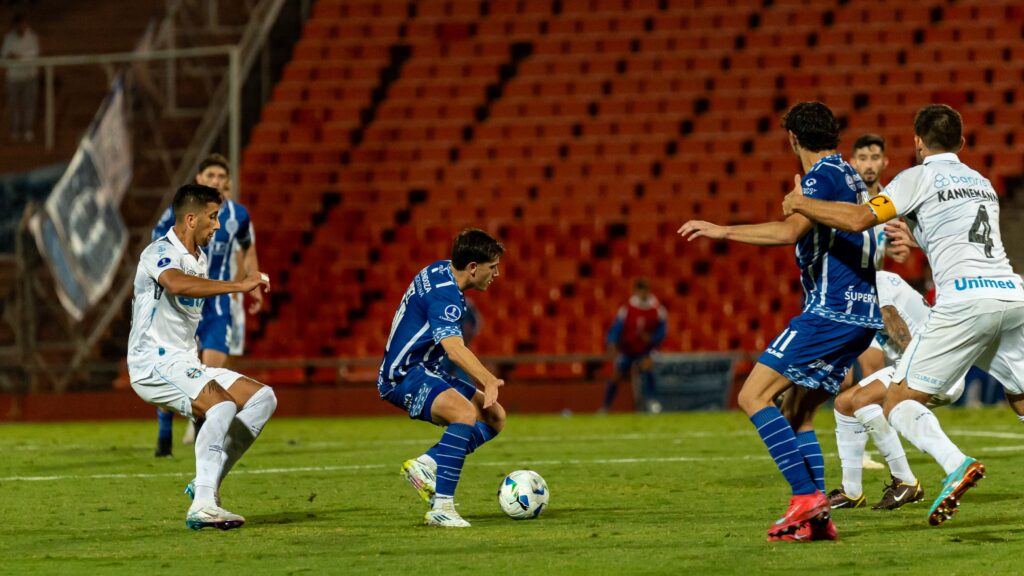
2026 alone has been a landmark year for the sport. The first-ever World Deaf Futsal Club Championships kicked off in Buenos Aires, Argentina in February. April brought the Deaf Africa Football Cup of Nations to Yaoundé, Cameroon. May saw both the World Deaf Futsal Championships for Veterans in Dubai and the inaugural U23 World Deaf Football Championships in Zlatibor, Serbia. By June, the 3rd U21 World Deaf Futsal Championships were underway in São Paulo, Brazil.
That’s teams and referees from dozens of countries, crossing four continents, all in a single year.
Where International Sign Comes In
Running tournaments at that scale requires a shared way to communicate, and that’s exactly where DIFA leans on International Sign. The organization has developed educational materials in International Sign specifically to support referee training, helping officials from different countries and different national sign language backgrounds get on the same page before stepping onto the pitch together.
It’s a practical, behind-the-scenes example of IS doing exactly what it’s designed to do: making sure a Deaf referee from one country and a Deaf player from another can understand the same call, the same rule, and the same moment, without either one needing to learn the other’s national sign language first.
Growing Inclusively
DIFA’s growth hasn’t been limited to men’s competition. Women’s Deaf football made its international debut back in 2008 in Patras, Greece, and has expanded significantly since, with DIFA also pushing youth programs into historically underrepresented regions, including a growing footprint across Africa.
The Takeaway
Global sport doesn’t run on athletic talent alone; it runs on shared communication behind the scenes. For Deaf football’s rapidly expanding international calendar, International Sign is a big part of what makes that communication, and the sport itself, possible on a global scale.
Interested in International Sign or the global Deaf community? Follow OneDeafWorld.com for more coverage of IS, accessible technology, and events from around the world.